Inspiration · May 21, 2026
Classical Antiquity in Contemporary Sculpture
How Sculpture Bay translates the visual language of ancient busts, wings, masks and reliefs into contemporary objects for modern interiors.
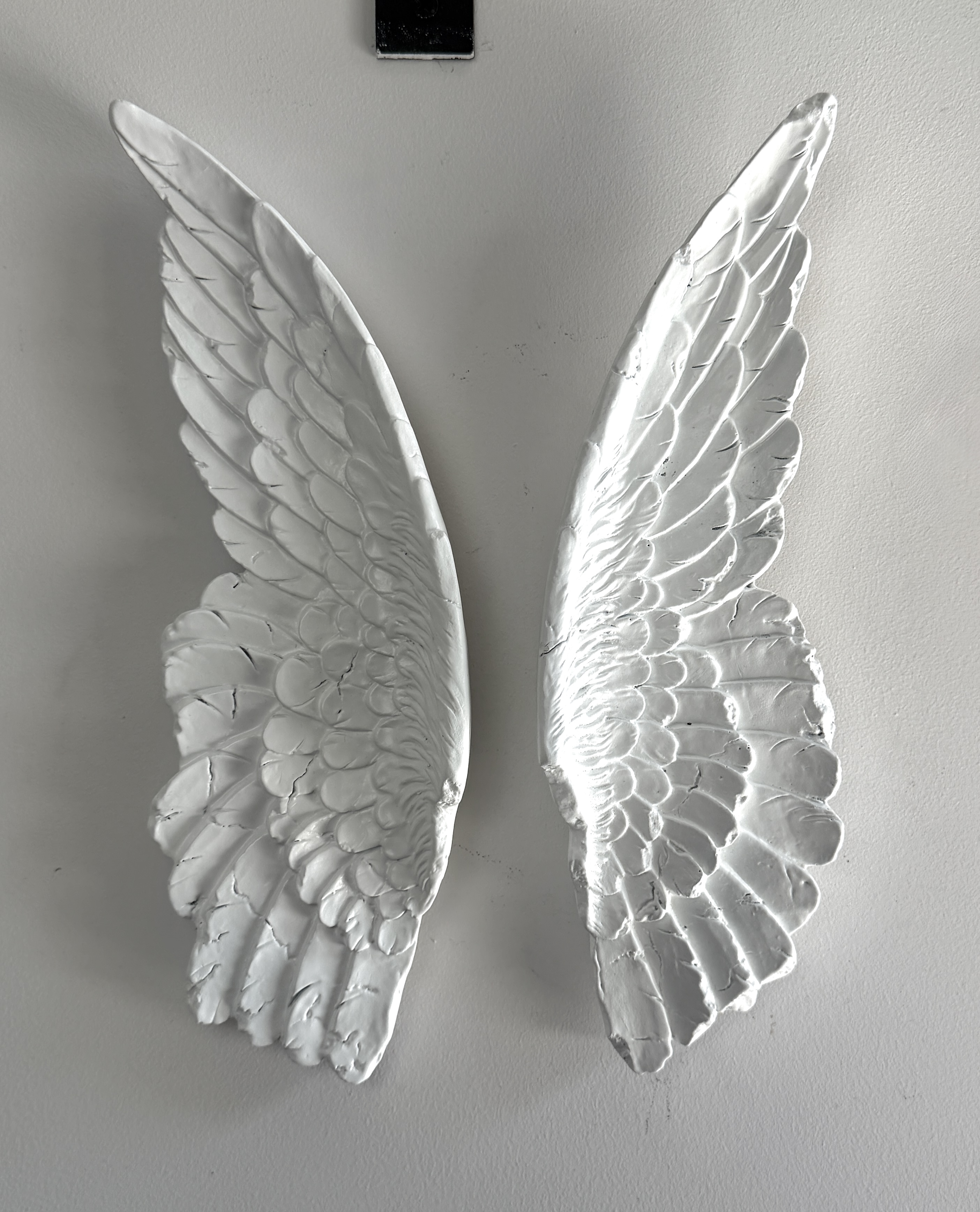
Looking at the classical fragment
Classical sculpture often reaches us as a fragment: a weathered face, a damaged relief, a wing separated from its original figure. Time changes the object, but it can also intensify its presence. The missing parts leave room for the viewer to imagine what came before.
Sculpture Bay works with that visual language without attempting to reproduce a museum object. Classical proportion, heraldic animals, feathered wings and devotional reliefs become starting points for new sculptures made in Riga. Contemporary finishes then shift the reference into the present.
From antiquity to a modern interior
A classical subject does not require a historical room. A sculpted animal head in chrome can sit against concrete or pale plaster. A white winged form can read almost as an abstract study of light and shadow. Gold can give a small object the visual authority of an architectural fragment.
This contrast is central to the studio: timeless forms meet a direct, contemporary surface. The result can feel familiar without becoming nostalgic.
Living with figurative sculpture
Unlike a flat image, sculpture changes as you move around it. Morning light may emphasize the profile; evening light may reveal texture in the deepest recesses. Placement therefore matters. Leave enough space around a piece for its silhouette to remain clear, and consider the views from more than one position in the room.
The aim is not to recreate a museum display. It is to let a carefully chosen object establish its own relationship with the architecture and the people who live around it.
Explore the sculptures behind the Journal
View the collection →