Studio Practice · June 3, 2026
Why Every Sculpture Is Hand-Painted
Inside the Sculpture Bay studio in Riga, where every sculptural surface is built and painted by the artist rather than produced as a uniform factory finish.
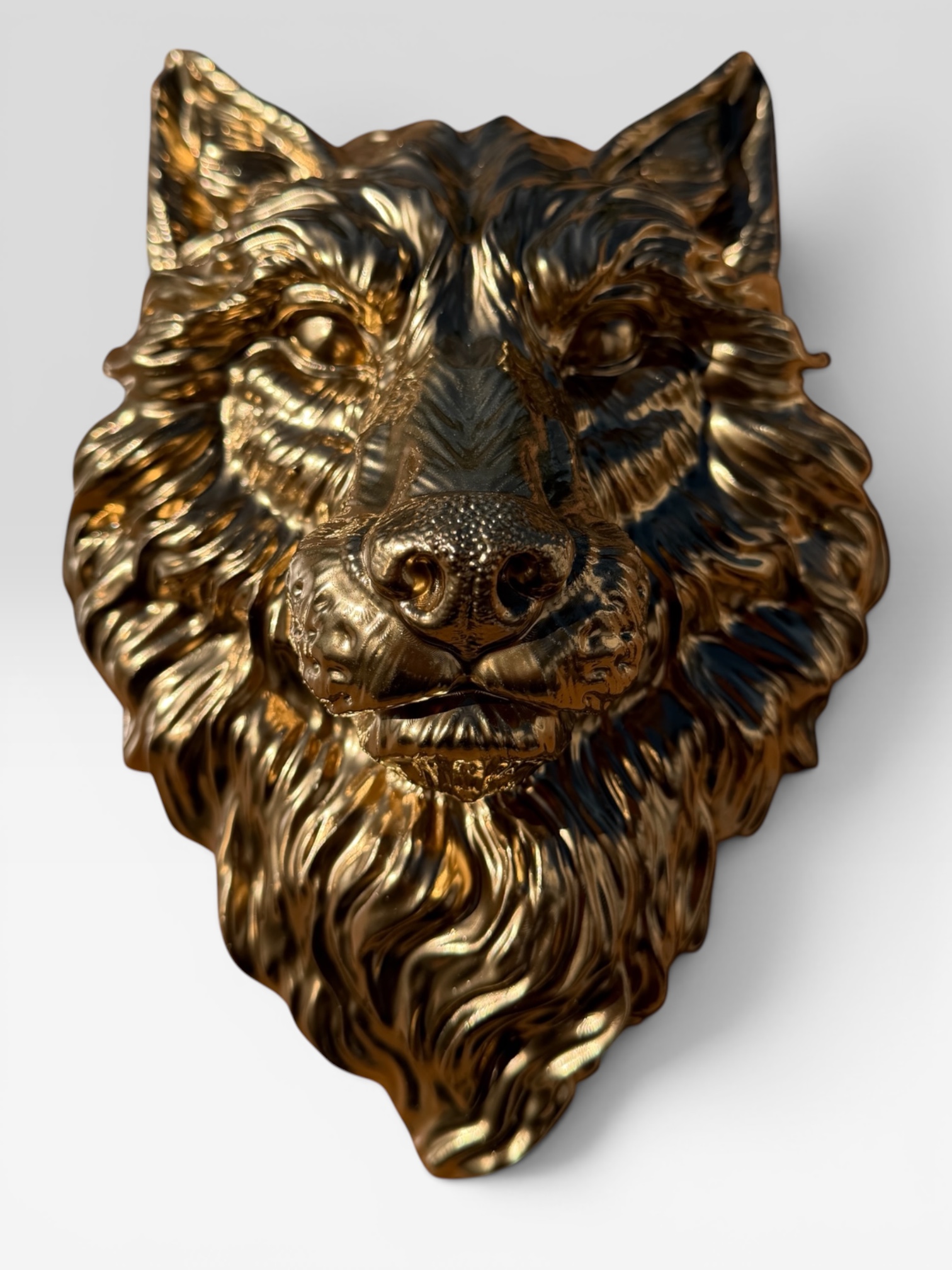
A finish made by hand
Every Sculpture Bay work is created and hand-painted personally by the artist in the Riga studio. The surface is not treated as a final coating added after the sculpture is complete. It is part of the work itself: the stage where light, texture and character come together.
Hand painting allows the finish to respond to the form. Raised details can catch more light, recesses can hold a deeper tone, and small variations can make the modelling easier to read from across a room. This is especially important in animal heads, wings and classical reliefs, where the surface must support the sculpted detail rather than hide it.
Why small variations matter
A handmade finish will never behave like an industrial spray process. Subtle differences in tone and emphasis are natural. They show that the piece passed through an individual set of hands and help each sculpture retain its own identity.
The Imperial Gold, Chrome Silver, Centurion Patina and Alabaster White collections each change the way a form is perceived. Gold produces warmth and ceremony. Chrome sharpens reflections and gives classical detail a contemporary edge. Patina creates depth and an aged architectural character. White places the emphasis on silhouette, relief and shadow.
Choosing a finish for your space
Consider the light before choosing. Reflective silver and gold become active in changing daylight, while patina and white remain quieter and reveal their detail through shadow. A strong finish can become a focal point; a restrained finish can sit naturally among books, paintings and collected objects.
Because every work is finished by hand, the photographs on each product page show the character of the actual Sculpture Bay piece or edition. If you need help choosing, request the price and include a photograph of the intended room.
Explore the sculptures behind the Journal
View the collection →